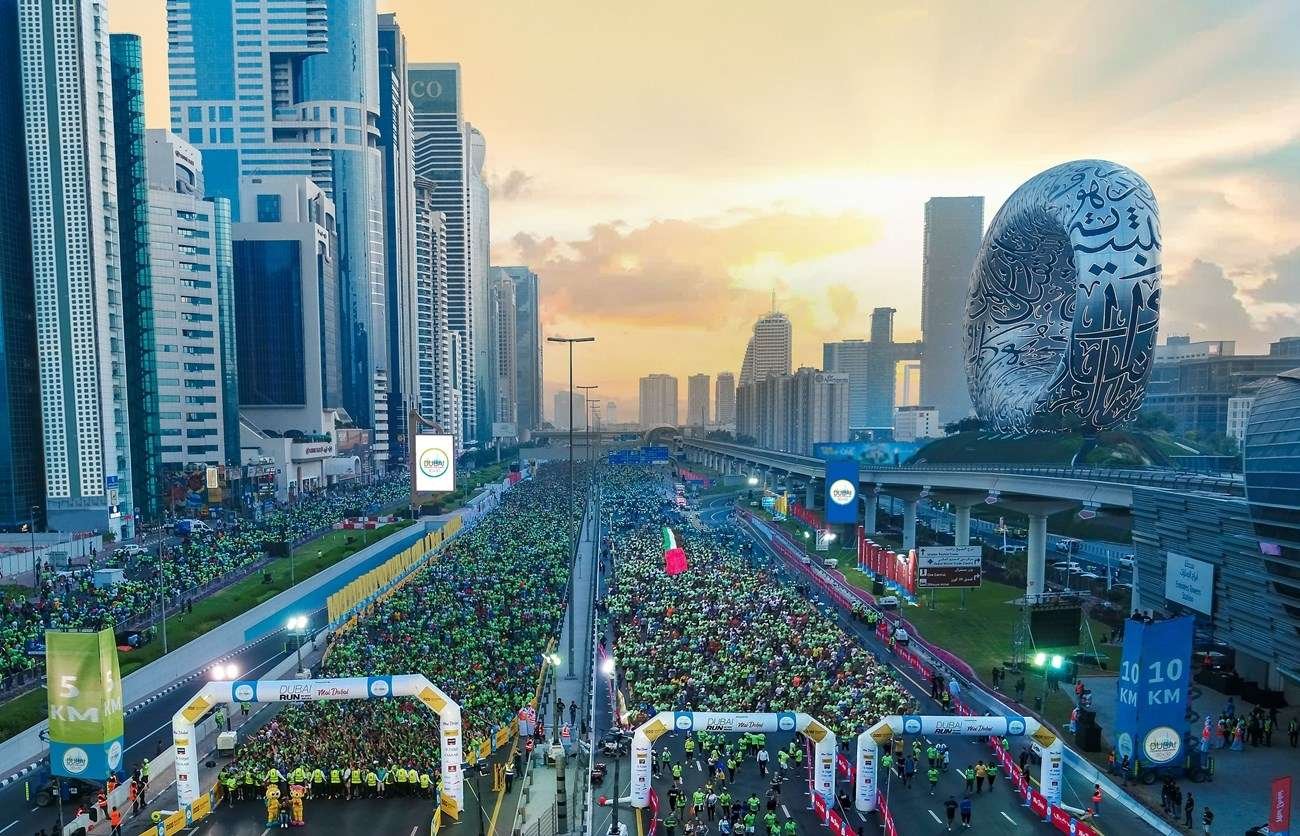
The Middle East has quietly become one of the most attractive marathon destinations for runners from India, Europe, and Africa. Flat courses, excellent organisation, international fields, and easy travel connections make the region ideal for both first-time marathoners and seasoned runners chasing personal bests.
But timing matters more here than anywhere else. Weather conditions in the Gulf can vary sharply across the year, and choosing the right month can make or break your race experience. This month-by-month guide helps you understand when to plan your marathon in the Middle East and how to use the season to your advantage.
September–October: Early Season, Limited Races
Early autumn marks the beginning of the running season, but marathon options remain limited. Daytime temperatures are still high across the UAE, Saudi Arabia, and Qatar, often crossing 35°C.
This period is better suited for:
- Shorter races like 10K or half marathons
- Base training and conditioning
- Night runs or early-morning events
Full marathons are rare during these months. If you are scouting dates, it’s best to monitor the upcoming Middle East marathon calendar for early announcements rather than locking plans too early.
November–December: Season Opens Up
This is when the Middle East marathon season truly begins. Temperatures start cooling, humidity drops, and international participation increases.
Why November–December works well:
- Morning temperatures between 15–22°C
- Excellent race organisation across UAE cities
- Ideal for runners coming off monsoon training in India
Several major city marathons and international races appear during this window. This is also the best time to browse the UAE & Middle East marathon calendar to plan year-end travel and race combinations.
January–February: Peak Marathon Season
January and February are widely considered the best months to run a marathon in the Middle East. Weather conditions are at their most runner-friendly, and the region hosts its biggest and most competitive races.
Expect:
- Cool race-day mornings (10–18°C)
- Flat, fast courses ideal for personal bests
- Strong elite and amateur participation
Dubai, Abu Dhabi, Riyadh, Doha, and other regional hubs host their flagship events during this period. Most international runners targeting a Middle East marathon plan around these two months. If you’re serious about racing, this is the ideal window to lock dates using the full Middle East marathon schedule.
March: Last Call for the Season
March marks the tail end of the marathon season. Conditions are still manageable, especially for early starts, but temperatures begin to rise toward the end of the month.
March races suit:
- Experienced runners comfortable in mild heat
- Those who missed January–February slots
- Runners using Middle East races as spring marathon tune-ups
This is often the final opportunity to race before summer training begins.
April–August: Off-Season
From April onward, the Gulf enters its hottest phase. Temperatures frequently exceed safe racing limits, and most organisers avoid hosting full marathons.
During these months, runners typically:
- Focus on base building or speed work
- Train indoors or during travel to cooler climates
- Plan upcoming race seasons rather than racing locally
This is also a good time to bookmark and revisit the Middle East marathon calendar as organisers begin announcing dates for the next season.
So, When Should You Plan Your Middle East Marathon?
If you’re looking for the ideal conditions, January and February remain the gold standard. November and December are excellent alternatives, especially for runners wanting less crowded races or early-season momentum.
For the most accurate and updated race information, always refer to the UAE & Middle East Marathon Calendar here:👉 UAE & ME Marathon Calendar